
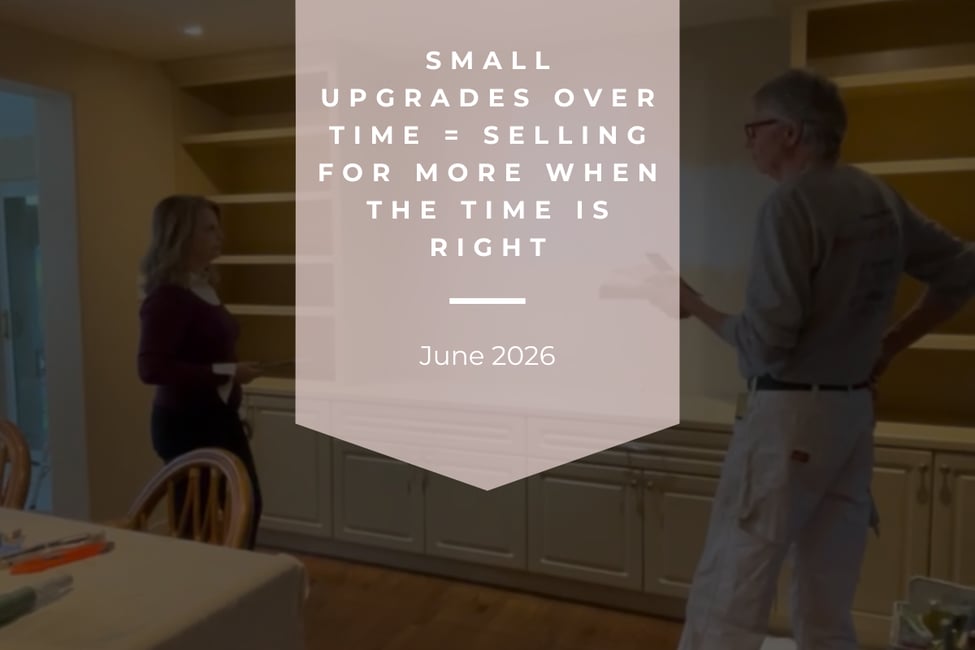
Best Home Renovations for ROI in Canada and Toronto
Not all renovations provide the same return on investment (ROI). The value of a renovation depends on factors such as neighbourhood expectations, property type, buyer preferences, and local market conditions. Across Canada and Toronto, the highest-return projects tend to balance cost, functionality, and buyer appeal.
Top Renovations with Strong ROI
1. Painting and Cosmetic Updates - 60–130%+ ROI
Painting consistently delivers one of the highest returns because of its low cost and immediate visual impact. Professional interior painting for a typical Canadian home can cost approximately $4,000–$7,000.
Smaller updates that can further improve buyer perception include:
- Lighting
- Hardware
- Cosmetic Repairs
2. Curb Appeal Improvements - 90–180%+ ROI
First impressions strongly influence buyer interest. High-value curb appeal improvements include:
- Garage door replacement or repainting
- Front door upgrades
- Landscaping improvements
- Exterior lighting and hardware updates
Simple improvements can significantly improve perceived value without major expenses.
3. Kitchen Renovations - 65–100% ROI
Minor or mid-range kitchen renovations often provide stronger returns than complete luxury remodels.
Typical Toronto cost ranges:
- Light refresh: $8,000–$20,000
- Partial renovation: $18,000–$35,000
- Full custom renovation: $40,000–$80,000+
High-impact improvements include cabinet refacing, updated countertops, backsplashes, hardware, and lighting.
4. Bathroom Renovations - 50–80% ROI
Bathroom upgrades continue to be a major value driver.
Typical Toronto cost ranges:
- Light update: $7,000–$15,000
- Mid-range renovation: $15,000–$28,000
- High-end remodel: $30,000–$45,000+
Popular improvements include updated vanities, modern fixtures, lighting, and additional storage.
5. Basement Finishing and Secondary Suites - 60–140%ROI
Finished basements can increase usable living space and resale appeal.
Typical Toronto cost ranges:
- Basic finishing: $35,000–$60,000
- Premium renovation: $60,000–$120,000
- Legal secondary suite: $120,000–$180,000+
In Toronto, legal basement suites can provide particularly strong returns because of their rental income potential.
6. Energy-Efficient Improvements - 50–75% ROI
Energy efficiency has become increasingly important for buyers because of utility costs and sustainability concerns.
Common improvements include:
- New windows
- Insulation upgrades
- Smart thermostats
- Efficient HVAC systems
Window replacement may not always justify the cost if existing windows remain functional, but damaged or inefficient windows can negatively affect value. replacement may become worthwhile.
Renovations That May Hurt ROI
Some projects can reduce overall returns:
- Highly personalized design choices
- Ultra-luxury upgrades in modest neighbourhoods
- Poorly executed DIY projects
- Trend-heavy finishes that may quickly become outdated
The objective is broad buyer appeal rather than highly specific tastes.
DIY vs. Hiring Professionals
DIY projects can improve ROI substantially for cosmetic work where labour costs represent most of the expense.
Good DIY candidates include:
- Painting
- Hardware replacement
- Basic landscaping
- Minor cosmetic updates
Professional contractors are generally recommended for:
- Structural changes
- Electrical work
- Waterproofing
- Major kitchen or bathroom projects
- Basement renovations
Poor workmanship can ultimately cost more to correct than hiring experienced professionals from the start.
Final Thoughts
The best renovations are not always the most expensive. The highest-return projects are those that align with local market demand, improve functionality, and enhance your home's strengths.
For many homeowners, a strategic combination of paint, kitchens, bathrooms, curb appeal, and practical upgrades will outperform expensive luxury projects.
Before committing to any renovations, with the goal of boosting your home’s value, talk to a realtor about your homes current value and understand what buyers in your area expect and are willing to pay. That insight often determines the difference between a renovation that creates value and one that simply creates expense.